
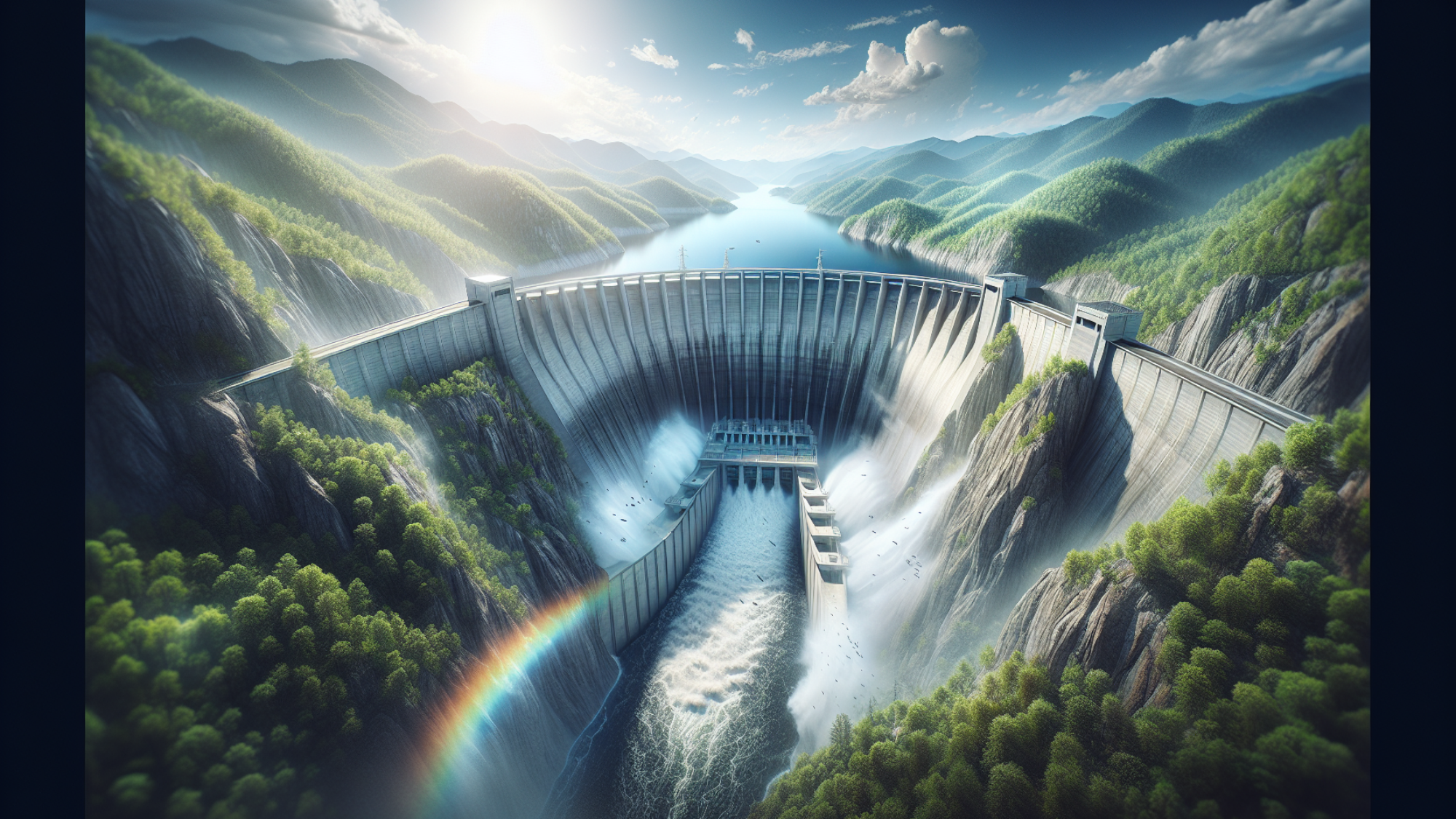
For centuries, humanity has harnessed the immense power of water, but it’s in the realm of electricity generation that this ancient resource truly shines.Hydro energy, or hydropower, stands as the oldest and largest source of renewable electricity globally, silently powering homes, industries, and communities with clean, reliable energy. As the world grapples with climate change and the urgent need to transition away from fossil fuels, understanding the mechanics, benefits, and challenges of hydro energy becomes paramount. It’s more than just a power source; it’s a testament to innovation, a guardian against carbon emissions, and a cornerstone of a sustainable future.
The Power of Water: How Hydro Energy Works
At its core, hydro energy is beautifully simple: it converts the kinetic energy of moving water into electricity. This process typically begins with a dam or weir that elevates the water level, creating a significant drop. The potential energy stored in this elevated water is then converted into kinetic energy as the water flows downwards through a penstock (a large pipe or channel). This rushing water then strikes the blades of a turbine, causing it to spin. The spinning turbine is connected to a generator, which then converts the mechanical energy into electrical energy.
Think of it like a giant, perpetual water wheel, only far more efficient and powerful. Once generated, the electricity is transmitted through power lines to homes and businesses, ready to be consumed. The water, having done its work, typically flows out of the power plant and continues its journey downstream, often to be used for other purposes such as irrigation, navigation, or municipal water supply.
Types of Hydroelectric Plants
Not all hydroelectric plants are created equal. They vary significantly in scale, design, and operation, each suited to different geographical and energy demands:
- Impoundment Facilities (Dam-based): These are the most common and recognizable type, featuring a large dam that creates a reservoir. Water is released from the reservoir through turbines, generating electricity. These plants offer excellent flexibility, as water flow can be controlled to match electricity demand.
- Run-of-River Facilities: Unlike impoundment plants, these do not typically use a large dam or reservoir. Instead, they divert a portion of a river’s flow through a channel or penstock to a turbine, returning the water to the river downstream. They rely on the natural flow of the river and are generally smaller in scale, having less environmental impact on river ecosystems.
- Pumped-Storage Hydropower (PSH): This unique system acts like a giant battery. It consists of two reservoirs at different elevations. During periods of low electricity demand (and often lower electricity prices), water is pumped from the lower reservoir to the upper one, storing energy. When demand is high, the water is released from the upper reservoir, flowing through turbines to generate electricity. PSH is crucial for grid stability, providing flexible, on-demand power.
The Unrivaled Benefits of Hydro Energy
Hydro energy offers a compelling suite of advantages that position it as a critical player in the global energy transition:
- Renewable and Clean: As long as the water cycle continues, hydro energy is an infinitely renewable resource. It produces no direct greenhouse gas emissions during operation, making it a cornerstone of decarbonization efforts.
- Reliability and Flexibility: Unlike intermittent renewables like solar and wind, hydropower is highly reliable and dispatchable. Operators can control the flow of water to generate electricity precisely when it’s needed, providing essential grid stability. This ‘on-demand’ capability is vital for balancing fluctuations from other renewable sources.
- Energy Storage Capabilities: Pumped-storage hydropower is the most mature and widely deployed grid-scale energy storage technology globally. It’s essential for integrating variable renewable energy sources, ensuring consistent power supply, and preventing blackouts.
- Flood Control and Water Supply: Many hydroelectric dams serve multiple purposes beyond electricity generation. They can effectively manage river flows to prevent devastating floods downstream and store vast quantities of water for irrigation, drinking water, and recreational use, especially in drought-prone regions.
- Long Operational Lifespan: Hydropower plants are durable assets, often operating for 50 to 100 years or more with proper maintenance. This long lifespan provides stable, predictable power generation for decades, amortizing initial costs over a considerable period.
Addressing the Challenges and Environmental Considerations
While highly beneficial, hydro energy is not without its complexities and challenges that require careful management:
- Initial Environmental Impact: The construction of large dams can alter river ecosystems, impact fish migration routes, change water quality and temperature, and sometimes displace local communities. However, modern projects often include mitigation measures like fish ladders, environmental flow releases, and comprehensive impact assessments. Run-of-river and small hydro projects generally have much lower environmental footprints.
- High Upfront Costs: Building a large-scale hydropower plant, especially one with a dam and reservoir, requires substantial capital investment and long construction periods. This can be a barrier to entry, although the long operational life and low running costs often make it economically viable in the long term.
- Drought Vulnerability: Climate change introduces a significant challenge: changes in precipitation patterns can lead to prolonged droughts, reducing water availability and thus limiting electricity generation from hydro plants. This underscores the need for a diversified energy portfolio.
- Sedimentation: Over time, sediment can build up in reservoirs, reducing their storage capacity and potentially impacting turbine efficiency. Managing sedimentation requires ongoing monitoring and sometimes costly dredging operations.
Hydro Energy‘s Global Footprint and Future Outlook
Hydro energy currently represents the largest source of renewable electricity worldwide, with a global installed capacity exceeding 1,300 GW. It contributes roughly 16-17% of the world’s total electricity supply. Countries like China, Brazil, Canada, and the United States are among the leading producers, leveraging their vast river systems.
The future of hydro energy is dynamic and multifaceted. While large-scale dam construction in developed nations might be limited, significant growth is anticipated in other areas:
- Modernization and Optimization: Upgrading existing hydropower facilities with new turbines, generators, and digital controls can significantly increase efficiency and output, extending their operational lives.
- Small Hydro: These projects, with capacities typically under 30 MW, offer decentralized power generation, minimal environmental impact, and are ideal for remote communities or complementing larger grids.
- Pumped-Storage Expansion: With the increasing integration of intermittent renewables (solar and wind), the demand for flexible grid-scale energy storage is skyrocketing. PSH is poised for significant growth to provide this essential balancing act.
- Hybrid Systems: Combining hydropower with other renewables, such as solar panels floating on reservoirs (floating solar hydro), can maximize land use and energy output while leveraging existing grid connections.
- Marine Hydrokinetic Energy: While still nascent, technologies harnessing tidal and wave energy represent another frontier in water-based power generation, potentially unlocking vast new resources.
Hydro energy is not merely a legacy power source; it is an evolving, vital component of the global energy landscape. Its ability to provide clean, reliable, and flexible power, along with its unique storage capabilities, makes it indispensable for achieving a stable, decarbonized energy future.
As we navigate the complexities of climate change and strive for energy independence, hydropower will continue to play a foundational role. By embracing innovation, careful planning, and sustainable practices, we can further unlock the immense potential of water, securing a brighter, cleaner future for generations to come.
What role do you think hydro energy should play in your country’s energy future? Share your thoughts and explore how your community can support sustainable energy initiatives.