
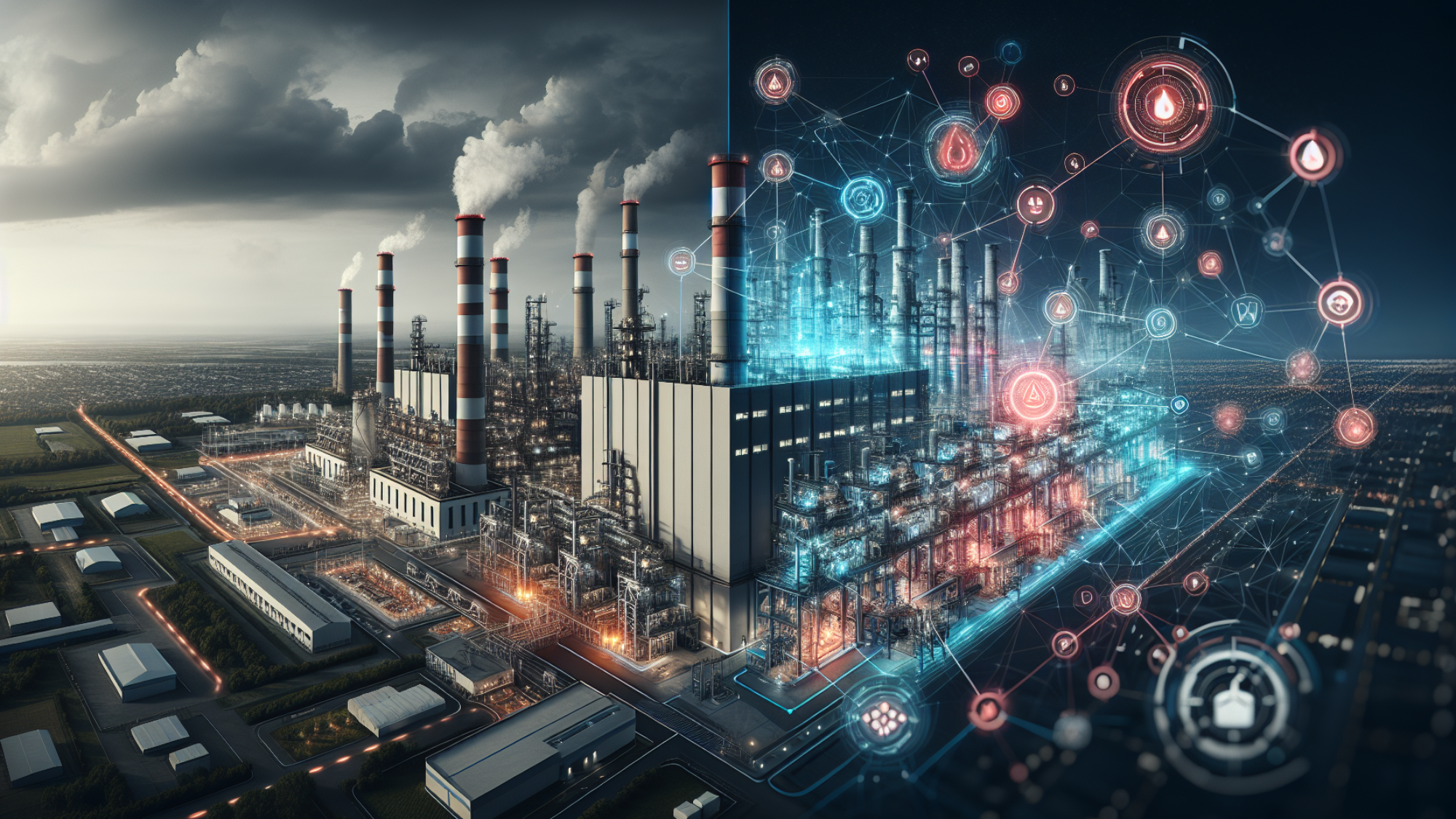
In an era where operational uptime and asset longevity are paramount, the stakes for engineers managing complex infrastructure have never been higher. From sprawling manufacturing plants to intricate energy grids and vast transportation networks, the potential for failure carries significant financial and safety implications. Traditionally, identifying weak spots often relied on reactive measures, historical data, or painstaking physical inspections. However, a revolutionary technology is changing this paradigm: digital twins. These sophisticated virtual replicas are empowering engineers to peer into the future, simulate complex behaviors, and pinpoint vulnerabilities long before they manifest in the physical world, fundamentally transforming reliability engineering.
What Exactly is a Digital Twin?
At its core, a digital twin is a virtual model designed to accurately reflect a physical object, process, or system. It’s more than just a 3D model or a static simulation; it’s a dynamic, living replica that evolves with its physical counterpart. Equipped with sensors, the physical asset continuously transmits real-time data to its digital twin. This data includes everything from temperature, pressure, and vibration to operational loads and environmental conditions.
The digital twin then processes this information, often employing advanced analytics, machine learning, and sophisticated physics-based models, to mirror the physical asset’s current state, predict its future behavior, and even simulate the impact of various external factors or operational changes. This continuous, two-way data flow creates an incredibly powerful feedback loop, providing unprecedented insights into performance, health, and potential issues.
The Power of Digital Twins in Reliability Engineering
The application of digital twins in reliability engineering is nothing short of transformative. By creating a faithful digital counterpart of an asset or entire infrastructure, engineers gain an unparalleled ability to analyze, predict, and optimize its reliability.
Here’s how digital twins specifically help in identifying weak spots and enhancing reliability:
- Real-time Monitoring and Data Fusion: Digital twins integrate data from myriad sensors across an asset, alongside historical performance data, maintenance logs, and environmental conditions. This holistic view provides a comprehensive, real-time snapshot of the asset’s health and operational status. Anomalies or deviations from normal behavior are immediately flagged, often indicating nascent issues before they escalate.
- Predictive Analytics and Failure Forecasting: Leveraging advanced algorithms and machine learning, digital twins can analyze patterns in the collected data to predict potential failures. By understanding how an asset degrades over time under various conditions, the twin can forecast when a component is likely to fail, enabling truly proactive maintenance scheduling. This moves organizations from reactive breakdowns to condition-based maintenance, significantly reducing unexpected downtime.
- Scenario Planning and “What-If” Analysis: One of the most powerful capabilities of digital twins for reliability is the ability to run simulations. Engineers can create virtual “what-if” scenarios, testing the impact of different operational loads, environmental stresses, or component failures without affecting the physical asset. For example, they can simulate:
- Operating a machine at higher temperatures to see its effect on component lifespan.
- Testing the resilience of a bridge under extreme weather conditions.
- Evaluating the impact of a specific part failing on the entire production line.
This allows for the identification of design flaws, operational vulnerabilities, and potential bottlenecks under various stress conditions, highlighting weak spots before the infrastructure even goes live or before a critical situation arises.
- Optimizing Design and Operational Parameters: By simulating different design iterations and operational parameters, engineers can identify the most robust and reliable configurations. Before committing to physical prototypes or expensive changes, they can virtually experiment with materials, structural designs, and control strategies to maximize durability and performance, effectively ‘designing out’ potential weak spots.
- Root Cause Analysis and Troubleshooting: When a physical failure does occur, the digital twin can be invaluable for quickly identifying the root cause. By replaying historical data leading up to the incident and running simulations, engineers can pinpoint the exact sequence of events or conditions that led to the failure, accelerating troubleshooting and preventing recurrence.
Key Benefits Beyond Early Detection
While identifying weak spots early is a core advantage, the adoption of digital twins brings a cascade of additional benefits for reliability:
- Reduced Downtime and Operational Costs: By shifting from reactive to predictive maintenance, unplanned downtime is drastically cut. This translates directly to significant cost savings from avoided production losses and emergency repairs.
- Enhanced Safety: Predicting failures in critical infrastructure, such as aircraft engines or nuclear power plants, directly enhances safety for personnel and the public by preventing catastrophic events.
- Extended Asset Lifespans: Proactive maintenance and optimized operations, informed by digital twins, help reduce wear and tear, extending the operational lifespan of expensive assets and machinery.
- Improved Decision-Making: Digital twins provide data-driven insights that empower engineers and managers to make more informed decisions regarding maintenance schedules, operational strategies, and capital investments.
- Greater Sustainability: Optimized performance and extended asset life contribute to more sustainable operations by reducing waste and resource consumption associated with premature replacements or inefficient processes.
Implementing Digital Twins for Reliability: Key Considerations
While the benefits are clear, successful implementation of digital twins for reliability requires careful planning:
- Data Quality and Integration: The twin is only as good as the data it receives. Ensuring high-quality, continuous data streams from sensors and effective integration with existing IT/OT systems is crucial.
- Modeling Accuracy: The fidelity of the digital model to its physical counterpart is paramount. This often requires expertise in physics-based modeling, system dynamics, and advanced simulation techniques.
- Scalability: Consider how the digital twin solution can scale to accommodate a growing number of assets or expanding infrastructure.
- Expertise: A multidisciplinary team with expertise in IoT, data science, engineering, and domain-specific knowledge is often required for successful deployment and ongoing management.
The Future of Reliable Operations
Industries across the board are rapidly adopting digital twin technology. From manufacturing robots predicting component fatigue to smart city infrastructure optimizing traffic flow and anticipating maintenance needs, the applications are vast and growing. In the energy sector, digital twins are monitoring wind turbines and power grids to ensure consistent energy supply and prevent outages. In aerospace, they’re used to track the health of aircraft engines in real-time, predicting maintenance needs long before flight.
As IoT sensors become cheaper and more sophisticated, and AI/ML capabilities continue to advance, digital twins will become even more pervasive and intelligent. They will move beyond individual asset monitoring to encompass entire systems of systems, offering unprecedented levels of insight into complex interdependencies and systemic reliability.
Embrace the Future of Reliability
The days of simply reacting to equipment failures are rapidly drawing to a close. Digital twins represent a paradigm shift, empowering engineers to move from reactive troubleshooting to proactive prevention, building a future where infrastructure is not just functional, but demonstrably reliable and resilient. By simulating complex behaviors, stress-testing designs virtually, and predicting failures before they occur, digital twins are the ultimate tool for safeguarding your most critical assets and ensuring uninterrupted operations.
Don’t let your infrastructure fall behind. Explore how integrating digital twin technology can revolutionize your reliability engineering practices, reduce operational risks, and secure a more dependable future for your organization. The time to invest in unwavering reliability is now.