
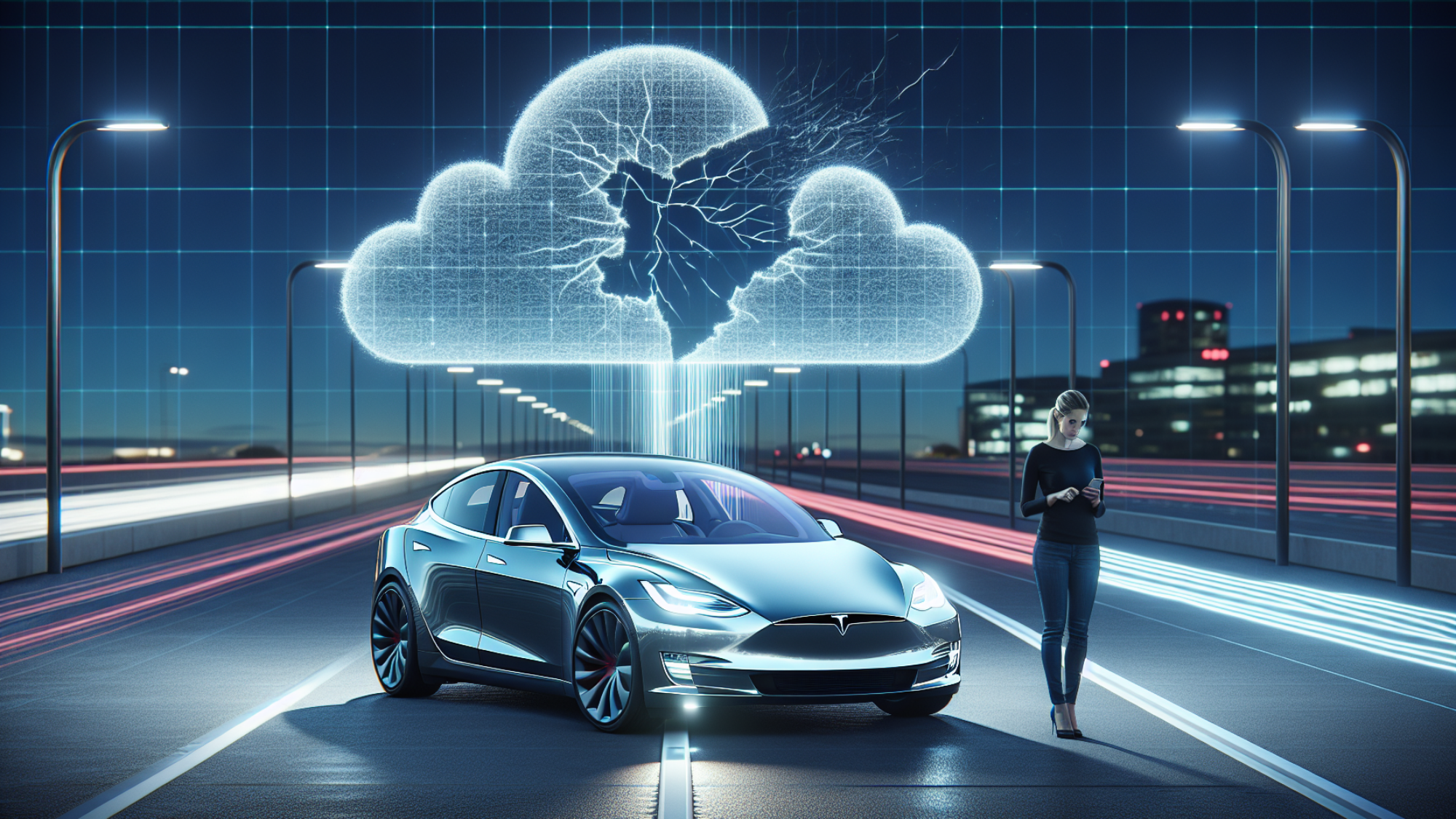
When technology falters, it rarely does so quietly. Such was the case with a significant Tesla cloud sync outage, which temporarily left many owners unable to access their vehicles via the smartphone app. For a brand synonymous with innovation and a glimpse into the future, this incident served as a stark, real-world reminder of the intricate dependencies woven into our increasingly connected lives. It wasn’t just about an app not working; it was about control, convenience, and the fundamental reliability of the digital infrastructure underpinning our modern world.
This event, while eventually resolved, offered a valuable learning opportunity, not just for Tesla but for every individual and industry grappling with the promises and perils of hyper-connectivity. It highlighted vulnerabilities, sparked conversations about digital reliance, and underscored the critical need for robust, resilient systems as we hurtle towards a future where almost everything is ‘smart’ and interconnected.
The Immediate Impact: A Glitch in the Matrix
For a period, thousands of Tesla owners across various regions reported issues accessing their vehicles through the official Tesla mobile app. This meant more than just an inability to pre-heat their cars or check charging status from afar. For some, it presented a more immediate problem: they couldn’t unlock or start their vehicles. While physical key cards and traditional fobs often serve as backups, many modern Tesla drivers rely almost exclusively on their smartphone as the primary interface for their car. This incident brought that reliance into sharp focus.
Imagine being stranded, even temporarily, because a cloud server miles away decided to take an unscheduled break. For many, it shifted the perception of their high-tech vehicle from an autonomous marvel to a very expensive, immobile object. The outage wasn’t just an inconvenience; it was a demonstration of how deeply integrated our digital lives have become with our physical realities, and how a single point of failure in the cloud can ripple through our daily routines.
Beyond Inconvenience: Deeper Implications for Connected Living
The Tesla outage, while specific to a brand, echoed broader concerns about the Internet of Things (IoT) and the future of connected devices. As everything from our home appliances to our medical devices becomes ‘smart’ and cloud-dependent, the implications of such failures extend far beyond simply being unable to start a car.
- Loss of Control and Agency: When physical assets are controlled by remote digital systems, any disruption to those systems can lead to a loss of direct control. This can be disempowering and, in critical situations, potentially dangerous.
- Safety Concerns: In the context of vehicles, a complete loss of remote access could impact features like emergency services calls, remote diagnostics, or even over-the-air updates crucial for safety enhancements.
- Erosion of Trust: Repeated or prolonged outages can erode user trust in connected technologies and the companies behind them. Reliability isn’t just a feature; it’s a foundational expectation.
- The “Always On” Expectation: Modern consumers expect seamless, uninterrupted access to their digital services. When this expectation is not met, the frustration is amplified by the perceived advancement of the technology itself.
The global IoT market is projected to grow significantly, with estimates suggesting tens of billions of connected devices by the end of the decade. Each of these devices represents a potential point of failure, and each cloud service supporting them, a single vulnerability that could impact millions.
Lessons Learned: Architecting a Resilient Connected Future
The Tesla incident, and others like it, provide invaluable lessons for developers, manufacturers, and consumers navigating the complexities of the connected age. Building truly reliable and resilient systems requires a multi-faceted approach:
- Redundancy and Decentralization: Relying on a single cloud server or data center is a recipe for disaster. Distributed systems, geographical redundancy, and multi-cloud strategies are essential to ensure that if one component fails, others can seamlessly take over.
- Robust Offline Functionality: Critical functions should not solely depend on constant internet connectivity. Vehicles, smart homes, and other essential devices must retain basic operational capabilities even when their cloud connection is severed. This includes local data storage, direct device-to-device communication, and fallback mechanisms.
- Transparent Communication and Rapid Response: During an outage, clear, concise, and timely communication from the service provider is paramount. Acknowledging the issue, providing updates, and offering workarounds can significantly mitigate user frustration and maintain trust.
- Security and Privacy at the Forefront: Every connected device and cloud service represents a potential attack vector. Robust cybersecurity measures are crucial not only to prevent malicious breaches but also to protect the integrity and availability of services.
- User Education and Preparedness: Consumers need to be aware of the dependencies inherent in connected devices and understand alternative access methods. Providing clear instructions on how to use physical keys or offline modes is vital.
- Regulatory Frameworks and Industry Standards: As reliance on connected technologies grows, there’s an increasing need for industry-wide standards and regulatory oversight to ensure minimum levels of reliability, security, and data privacy.
The Human Element in a Digital World
Ultimately, technology is designed to serve humanity. While the Tesla outage was a technical glitch, its impact was profoundly human, affecting people’s ability to commute, their peace of mind, and their trust in technology. It forced many to reconsider their digital dependence and perhaps even appreciate the simplicity of a physical key.
This incident underscores the ongoing challenge of balancing innovation with dependability. As we continue to integrate advanced technologies into every facet of our lives, the focus must shift from merely building ‘smart’ devices to building ‘resilient’ and ‘human-centric’ systems. This means designing for failure, anticipating worst-case scenarios, and ensuring that even in the face of technological hiccups, the user’s safety, access, and agency are never fully compromised.
The path to a truly connected future is paved with both incredible opportunity and unavoidable challenges. Learning from events like the Tesla cloud sync outage is not a setback, but a crucial step forward in building a digital world that is not only intelligent but also robust, reliable, and trustworthy.
Is your organization prepared for a potential outage in its critical connected systems? Understanding and mitigating these risks is paramount for sustained success in our increasingly digital world. Reach out today for a consultation on building resilient operational excellence and ensuring maximum uptime for your crucial digital assets.