
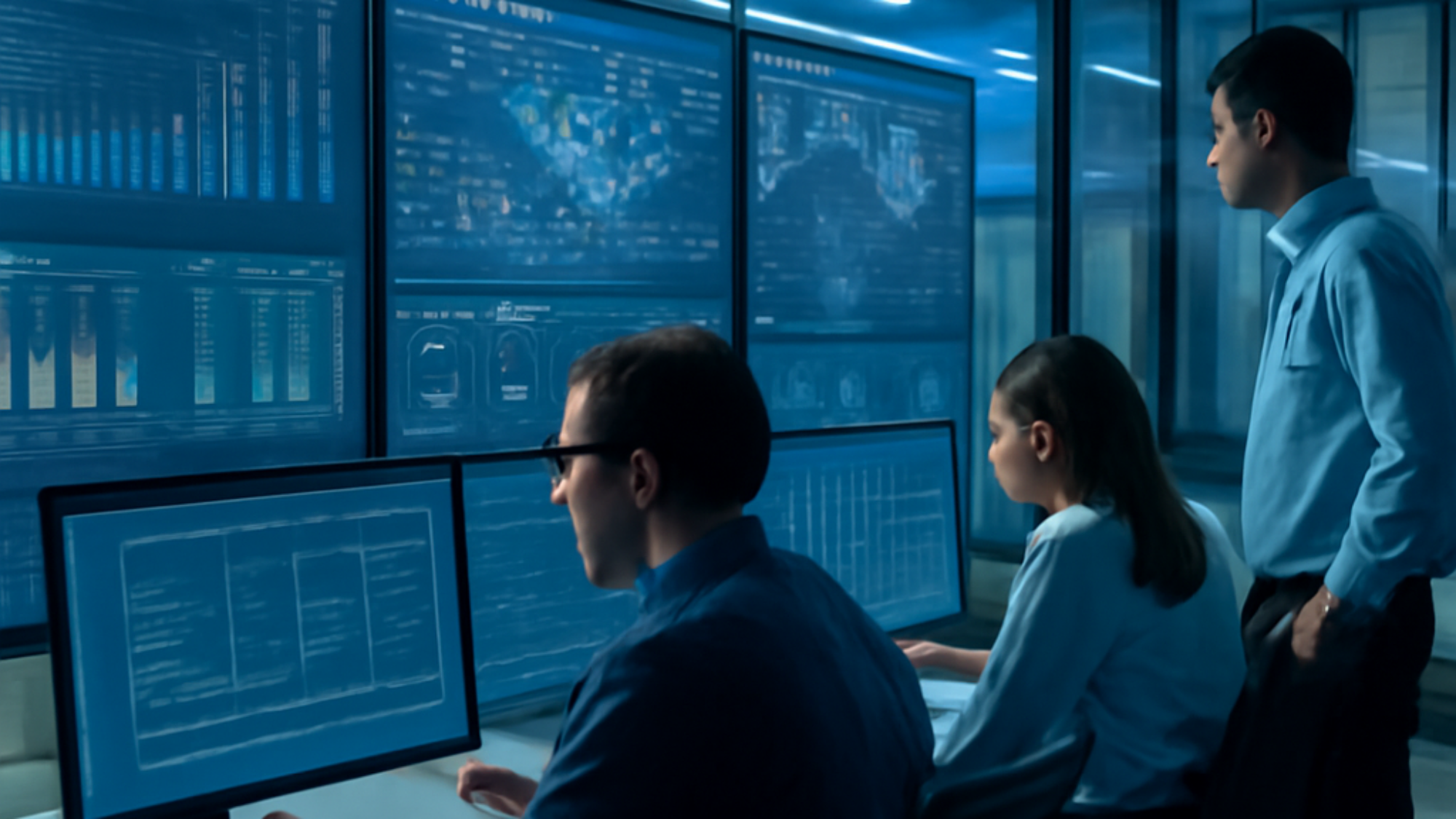
Power grids are evolving from static infrastructures into dynamic, data‑rich ecosystems. At the heart of this transformation lies the digital twin—a virtual replica that mirrors every component, status, and interaction within the grid in real time. By feeding continuous sensor streams into these digital models, utilities can anticipate failures, optimize asset usage, and navigate complex contingency scenarios with unprecedented precision.
The Anatomy of a Digital Twin for Power Grids
A digital twin is more than a 3‑D model; it is a living, breathing representation that synchronizes with the physical asset. For power grids, the twin typically comprises:
- Geospatial Layer – Detailed GIS mapping of transmission lines, substations, and transformers.
- Asset Layer – CAD drawings, specifications, and maintenance histories of every component.
- Operational Layer – Real‑time data from SCADA, PMUs, smart meters, and environmental sensors.
- Analytics Layer – Algorithms for predictive modeling, fault detection, and load forecasting.
When integrated, these layers provide a holistic view that allows operators to see the grid as it truly behaves under varying conditions.
Real‑Time Sensor Streams: The Pulse of the Twin
Modern power grids are peppered with thousands of sensors: voltage and current transducers, temperature gauges, vibration monitors, and even acoustic sensors that pick up subtle changes in equipment. These devices send data at rates ranging from seconds to milliseconds, creating a continuous information flow that feeds the digital twin.
- High‑Frequency Phasor Measurement Units (PMUs) capture voltage and current phasors every 30 ms, enabling grid stability analysis in near real time.
- Smart Transformers report temperature, oil quality, and tap changer positions every minute.
- Insulation Monitoring Devices (IMDs) detect early signs of insulation degradation, flagging potential failures before they occur.
By ingesting this stream, the twin maintains a live snapshot of the grid’s health, allowing operators to react instantly to anomalies.
Proactive Maintenance Powered by Predictive Analytics
One of the most compelling benefits of digital twins is the shift from reactive to proactive maintenance. Traditional approaches relied on scheduled inspections or reactive repairs after a fault occurs. With a twin, utilities can:
- Identify Wear Patterns – Machine learning models analyze vibration and temperature data to spot gradual degradation.
- Schedule Optimal Interventions – Predictive algorithms suggest the exact timing for component replacement, minimizing downtime.
- Reduce Maintenance Costs – By avoiding unnecessary outages and extending asset life, utilities can save millions annually.
Industry data indicates that predictive maintenance can cut unplanned outages by up to 30 % and reduce maintenance costs by 20 %–25 %.
Contingency Planning Made Quantifiable
Grid operators face a multitude of contingency scenarios—from extreme weather events to cascading failures. Digital twins enable rigorous “what‑if” simulations that inform robust response strategies:
- Scenario Modeling – Simulate the impact of a transformer failure, a line fault, or a sudden load surge.
- Dynamic Reconfiguration – Test automated switching schemes to isolate faults while maintaining supply to critical loads.
- Resilience Assessment – Evaluate redundancy, backup generation, and storage options under various stressors.
By visualizing the outcomes of each scenario, operators can craft contingency plans backed by hard data rather than intuition alone.
Integration with Asset Management Systems
A digital twin does not operate in isolation; it feeds into and is fed by existing Asset Management Systems (AMS). The synergy allows:
- Unified Asset Views – Consolidate data from field devices, human operators, and historical records.
- Lifecycle Management – Track asset health from acquisition through decommissioning.
- Regulatory Compliance – Generate reports that satisfy modern grid reliability standards (e.g., NERC CIP in the U.S.).
The result is a seamless workflow where insights from the twin directly influence maintenance schedules, procurement decisions, and regulatory filings.
Challenges and Mitigation Strategies
Despite its promise, deploying digital twins at grid scale presents hurdles:
- Data Volume and Velocity – Managing petabytes of streaming data requires robust edge computing and cloud infrastructure.
Mitigation: Use edge analytics to pre‑process data before sending to the cloud, reducing bandwidth load.
- Cybersecurity Risks – A twin’s reliance on connectivity exposes it to potential breaches.
Mitigation: Implement zero‑trust architectures, secure APIs, and continuous threat monitoring.
- Model Accuracy – Inaccurate models can lead to misleading predictions.
Mitigation: Continuously calibrate models with ground truth data and employ federated learning to improve accuracy across sites.
The Road Ahead: AI, Edge Computing, and Beyond
Future digital twins will increasingly leverage advanced AI techniques—deep reinforcement learning for optimal dispatch, generative models for fault scenario generation, and federated learning for cross‑utility collaboration. Edge computing will bring analytics closer to the source, ensuring that critical decisions are made with minimal latency.
As the energy sector embraces decarbonization, renewable integration, and distributed generation, digital twins will play a pivotal role in ensuring that power grids remain reliable, resilient, and efficient. By marrying real‑time sensor streams with sophisticated modeling, utilities can not only anticipate problems but also create a proactive, data‑driven culture that keeps the lights on.