
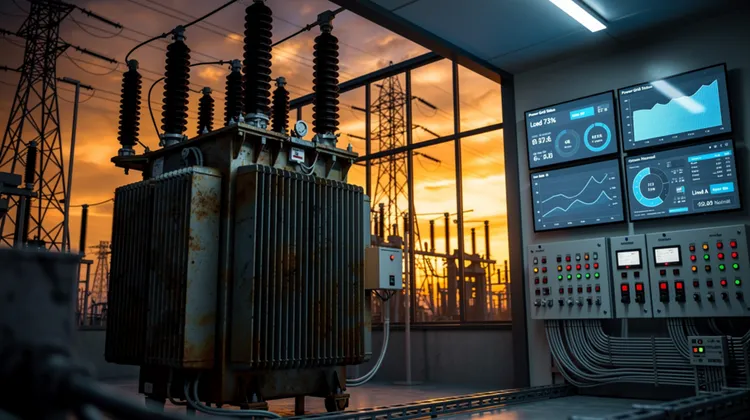
For decades, the relationship between industrial facilities and the grid was one-sided: utilities generated power, and factories consumed it. But that paradigm is shifting. The modern grid faces unprecedented strain from intermittent renewables, aging infrastructure, and surging demand from data centers and electric vehicles. In response, utilities are turning to a powerful tool: demand response. This isn’t just a load management strategy; it’s a revenue stream for industrial operators who can flex their energy consumption. Understanding the economic and technical benefits is no longer optional—it’s a competitive advantage.
What is Demand Response?
At its core, demand response (DR) is a voluntary program where industrial, commercial, and residential customers reduce their electricity usage during peak demand periods. In exchange, they receive financial incentives from utilities or grid operators. These programs are designed to prevent blackouts, avoid firing up expensive and polluting peaker plants, and maintain grid stability.
For industrial facilities, DR typically involves temporarily reducing non-critical processes—like HVAC systems, lighting, or production lines—or shifting loads to off-peak hours. The key is that participation is strategic, not disruptive. Advanced automation and real-time monitoring allow facilities to participate without compromising core operations.
The Economic Case: Turning Load into Revenue
The primary driver for industrial participation is financial. Utilities pay substantial premiums for load reduction because it’s cheaper than building new generation capacity. According to the U.S. Energy Information Administration, demand response programs can reduce peak demand by up to 10% in some regions, saving utilities billions in avoided infrastructure costs.
Direct Incentive Payments
- Capacity Payments: Facilities are compensated for committing to reduce load when called upon, regardless of whether the event occurs.
- Energy Payments: Actual reductions during a DR event are paid at a rate often tied to the wholesale electricity market price.
- Performance Bonuses: Some programs offer additional payments for consistent, reliable participation.
For a mid-sized manufacturing plant, annual earnings from DR programs can range from $50,000 to over $500,000 depending on load size and program design. A 2022 study by the Brattle Group found that industrial DR participation in the PJM market alone generated over $1 billion in customer payments.
Operational Cost Savings
Beyond incentives, DR participation forces facilities to analyze their energy usage patterns. This often uncovers inefficiencies that lead to permanent reductions in electricity costs. By identifying which loads are non-essential and when they can be shifted, plants can lower their overall energy bills by 5-15% annually.
The Technical Benefits: Enhancing Reliability and Control
The technical advantages of DR extend far beyond financial gains. They directly improve facility resilience and operational intelligence.
Grid Reliability as a Business Imperative
Industrial facilities cannot afford unplanned downtime. A single power outage can cost a semiconductor fab millions of dollars per hour. DR programs help prevent these outages by providing grid operators with a flexible resource to balance supply and demand. When a facility participates in DR, it contributes to a more stable grid that benefits everyone.
Load Management and Automation
Modern DR programs leverage advanced metering infrastructure (AMI), building management systems (BMS), and industrial IoT sensors. Automated demand response (AutoDR) allows facilities to pre-program load reductions that trigger automatically when a signal is received from the utility. This eliminates human error and ensures rapid response.
Key technical components include:
- Real-time energy monitoring: Dashboards showing current load, historical trends, and DR event status.
- Programmable logic controllers (PLCs): Automatically adjust equipment settings based on DR signals.
- Energy management software: Optimizes load schedules across multiple facilities.
This technical infrastructure also provides valuable data for predictive maintenance and energy efficiency projects, creating a virtuous cycle of improvement.
Overcoming Common Misconceptions
Despite clear benefits, many industrial operators hesitate to join DR programs. The most common fear is that participation will disrupt production. In reality, well-designed DR programs allow facilities to choose which loads to reduce and for how long. Typically, only 10-20% of a plant’s total load is eligible for reduction, and those loads are often non-critical systems like air compressors, chillers, or lighting.
Another misconception is that DR requires significant upfront investment. While advanced automation can enhance participation, many utilities provide free energy audits and even subsidize the installation of control equipment. The return on investment is often realized within the first year of participation.
The Future of Demand Response
The landscape is evolving rapidly. With the rise of distributed energy resources (DERs) like on-site solar, battery storage, and backup generators, industrial facilities are becoming microgrids capable of islanding from the grid. This creates even more value for DR programs.
Integration with Renewable Energy
As wind and solar penetration increases, grid operators need fast-responding resources to manage variability. Industrial DR can provide this flexibility, often faster than natural gas peaker plants. In California, the ISO’s demand response programs have helped integrate over 30% renewable energy without compromising reliability.
Data-Driven Optimization
Machine learning algorithms now predict DR event likelihood days in advance, allowing facilities to optimize their production schedules proactively. This turns DR from a reactive measure into a strategic planning tool.
How to Get Started
For industrial facilities considering DR, the first step is to contact the local utility or independent system operator (ISO). Most programs have a straightforward enrollment process and provide technical support.
Key steps:
- Conduct an energy audit: Identify which loads can be reduced without impacting core operations.
- Install monitoring equipment: Real-time data is essential for participation and verification.
- Develop a DR plan: Define which systems will be curtailed, for how long, and under what conditions.
- Test and refine: Participate in a few events before committing to long-term contracts.
The technical and economic case for demand response is compelling. It transforms a fixed cost—energy—into a variable, controllable asset. For industrial operators, it’s not just about saving money; it’s about turning peak loads into profit while strengthening the grid that powers our world.